

Northern Europe - Sold antiquities
Archive of sold antiquities
All artefacts sold in our gallery are fully documented in our online archive and database. Being a specialist ancient art dealer, preserving also the more recent history of each and every piece sold in our shop is at our heart. That is particularly useful for artefacts that changed owners in the meantime. Information that may have been lost in the process can be easily restored from our archives. Please do not hesitate to contact us if you need further information about ancient items that have been sold in our gallery. We can help you with reconstructing the history of ownership for those items. All information about our customers will be kept confidential, of course.-
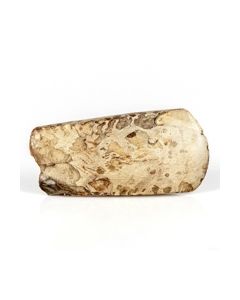 Neolithic thin butted axe head
Axe from the Early Neolithic is made of beautiful reddish brown flint with inclusions. Found in Northern Germany.
Price: on request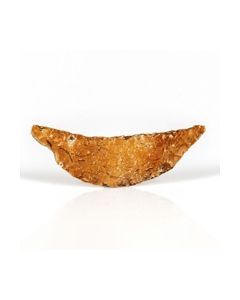 Small Neolithic sickle from Northern Germany
The crescent-shaped blade is made of reddish brown flint. This tool represents an intermediate state within the radical transition from Neolithic to Bronze Age.
Price: on request Neolithic sickle from Northern Germany
Small crescent-shaped blade made of beautiful polychrome flint. This tool represents an intermediate state within the radical transition from Neolithic to Bronze Age.
Price: on request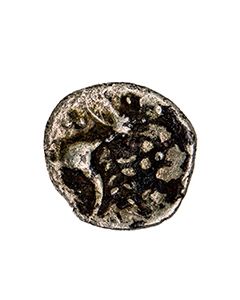 Perfectly preserved Celtic coin - Iceni tribe
East Anglia mint, reported to have been found in Stonea Grange, Cambridgeshire.
Price: on request Celtic coin - Iceni tribe
East Anglia mint, reported to have been found in Stonea Grange, Cambridgeshire.
Price: on request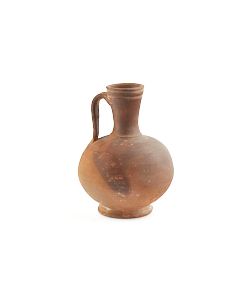 Elegant Roman jar with one handle
From an old German private collection, acquired December 1966 at Hermann Zirkel, Cologne, Germany.
Price: on request Elegant Roman jar with two handles
From an old German private collection, acquired in the 1960s at a Cologne ancient art gallery.
Price: on request Voluminous Roman pot
From an old German private collection, acquired December 1965 at Hermann Zirkel, Cologne, Germany.
Price: on request Roman jar with handle
Roman Empire, 3rd century AD, excellently preserved. From and old German collection, acquired in the 1960s - 1970s.
Price: on request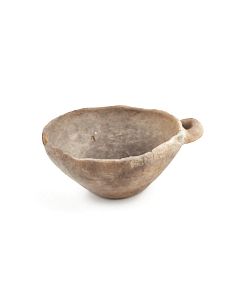 Bronze Age bowl with handle
The simple dish is made of coarse clay and originated in Bronze Age Europe.
Price: on request Small storage vessel from Early Bronze Age
The elegant vessel could be stringed and suspended to protect its content from animals. From Early Bronze Age Europe.
Price: on request Beaker of the Bell Beaker culture
The voluminous body has the typical shape of vessels from the Bell Beaker culture. It has been made during the transitioning period between Stone Age and Bronze Age.
Price: on request Tall bone pyxis
Interesting cylindrical vessel with rich decoration. From antiquity or early Middle Ages.
Price: on request Large decorated violin bow fibula
Impressive piece of jewellery because of its size and decoration. From Central Europe, made during Late Bronze Age or Early Iron Age.
Price: on request Small axe head from the New Stone Age
Compact stone axe from the 3rd Millenium BC. Found on the Danish island of Moen.
Price: on request Hammer axe of the Single Grave culture
Gorgeous axe head made of polished dark rock. Made by the Single Grave culture and found in northern Germany.
Price: on request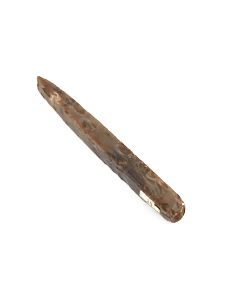 Neolithic chisel from Northern Germany
Elegantly shaped chisel with two polished sides. Made of dark flint. Approx. 3400 to 2400 BC.
Price: on request Neolithic axe head from Luetzow in Northern Germany
Polished axe made of beautiful brown flint. It was found more than 100 years ago near the town of Luetzow.
Price: on request Dagger blade made of beautiful flint
The finely worked long blade was found in Luetzow in Northern Germany. The artefact was made towards the end of the Neolithic.
Price: on request Celtic neck ring
Open ring made of solid bronze. The torc is from Gaul or Central Europe and dates to the 4th or 3rd century BC.
Price: on request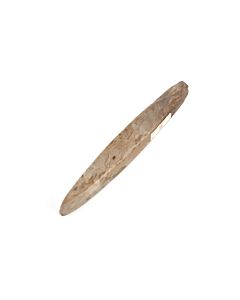 Neolithic chisel from Northern Germany
Elegantly shaped chisel with two polished sides. Made of grey flint. Approx. 3400 to 2400 BC.
Price: on request Neolithic sickle from Northern Germany
Crescent-shaped blade made of beautiful grey flint. This tool represents an intermediate state within the radical transition from Neolithic to Bronze Age.
Price: on request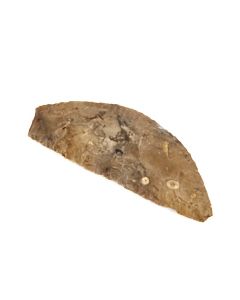 Neolithic sickle from Northern Germany
Small crescent-shaped blade made of beautiful grey flint. This tool represents an intermediate state within the radical transition from Neolithic to Bronze Age.
Price: on request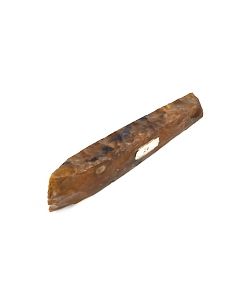 Neolithic axe head from Luetzow in Northern Germany
Nice polished axe from brown flint. It was found more than 100 years ago near the town of Luetzow.
Price: on request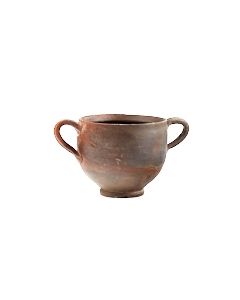 Roman beaker found in Cologne
Museum-worth preservation. Found in the Luxemburgerstrasse in Cologne, Germany. Acquired in 1967 at Hermann Zirkel Gallery in Cologne.
Price: on request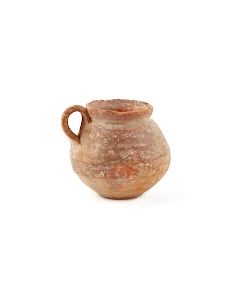 Roman legionary wine cup found in Cologne
Acquired in 1967 at Hermann Zirkel Gallery, Cologne, Germany. Very well preserved. Reported to have been found in Cologne.
Price: on request Rare Roman amphora stopper found in Cologne
Acquired in 1965 at Hermann Zirkel Gallery, Cologne, Germany. Very well preserved. Reported to have been found in Cologne.
Price: on request Rare Roman amphora stopper found in Cologne
Acquired in 1965 at Hermann Zirkel Gallery, Cologne, Germany. Very well preserved. Reported to have been found in Cologne.
Price: on request Rare Roman amphora stopper found in Cologne
Acquired in 1965 at Hermann Zirkel Gallery, Cologne, Germany. Very well preserved. Reported to have been found in Cologne.
Price: on request Voluminous Roman jug
Acquired in the 1960s at Hermann Zirkel Gallery, Cologne, Germany. Very well preserved.
Price: on request Bavarian drinking vessel from the Early Middle Ages
Rare and beautifully stamp decorated pottery of the early Baiuvarii around 600 AD. From a find in Riekofen in Bavaria.
Price: on request Bow fibula of the Urnfield culture
Excessively rare brooch type from Late Bronze Age in Bavaria. It is known from the Urnfield period hoard of Reisen near Munich in Germany. This piece has been found near Regensburg, Germany.
Price: on request Large storage vessel of the Linear Pottery culture
The imposing vessel was made by the earliest peasants of Central Europe, the Neolithic Linear Band Ware settlers. A find from Southern Germany in great condition.
Price: on request Roman firma lamp with handle
Acquired in the 1960s at Hermann Zirkel Gallery, Cologne, Germany. Perfectly preserved including the dark red slip.
Price: on request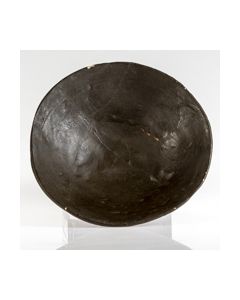 Bowl of the Linear Pottery culture
Large flat bowl or deep plate from the earliest peasants of Central Europe, the Neolithic Linear Band Ware settlers. A well preserved piece found in Riekofen in Southern Germany.
Price: on request Vessel of the Linear Pottery culture
The beautifully decorated tableware or cookware was made by the earliest peasants of Central Europe, the Late Stone Age Linear Band Ware settlers. A find from Southern Germany in great condition.
Price: on request