

Palaeolithic - Egypt and North Africa - Southern Europe - Fotogalerie - Onlineshop
Ancient art and antiquities in the Alte Roemer online shop
Welcome to the Alte Roemer shop, where you will find authentic artefacts covering the time span from Bronze Age to Late Antiquity. Refine your search to ancient Roman, Greek, Egyptian or other antiquities using the navigation menu on the left, or just browse our full selection. An own section of our shop is dedicated to ancient numismatics with focus on Roman and Greek coins. Please do not hesitate to contact us any time via email or using our contact form. Correspondence is welcome in English, German, Italian, French, Russian or Japanese.
-
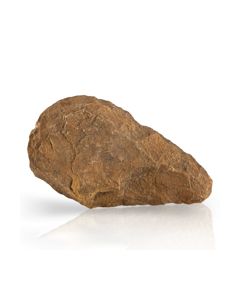 Paleolithic hand axe
Prehistoric stone tool. It was the universal tool of the older Stone age and could be used as a borer or a cutter. From a Swiss museum collection. Found in Algeria, North Africa.
Price: on request Large Paleolithic hand axe
Prehistoric stone tool. It was the universal tool of the older Stone age and could be used as a borer or a cutter. From a Swiss museum collection. Found in Foggaret Ezzaouia, Algeria, North Africa.
Price: on request Paleolithic hand axe
Prehistoric stone tool. It was the universal tool of the older Stone age and could be used as a borer or a cutter. From a Swiss museum collection. Found in Morocco, North Africa.
Price: on request Large Paleolithic hand axe
Prehistoric stone tool. It was the universal tool of the older Stone age and could be used as a borer or a cutter. From a Swiss museum collection. Found in Erg Mehedjibat, Algeria, North Africa.
Price: on request Huge Paleolithic hand axe
Prehistoric stone tool. It was the universal tool of the older Stone age and could be used as a borer or a cutter. From a Swiss museum collection. Found in Morocco, North Africa.
Price: on request Large prehistoric hand axe
Massive Paleolithic stone tool. It was the universal tool of the older Stone age and could be used as a borer or a cutter. From a Swiss museum collection. Found in Algeria, North Africa.
Price: on request Paleolithic hand axe or borer
Prehistoric stone tool. It was the universal tool of the older Stone age and could be used as a borer or chisel. From a Swiss museum collection. Found in the Algerian Sahara desert.
Price: on request Stone Age bow scraper from Egypt
The Paleolithic tool is of beautiful shape and color. Thebes has been handed down as the place of origin. From an old museum collection.
Price: on request Paleolithic hand axe
Prehistoric stone tool. It was the universal tool of the older Stone age and could be used as a borer or a cutter. From a Swiss museum collection. Found in Erg Mehedjibat, Algeria, North Africa.
Price: on request Paleolithic hand axe
Prehistoric stone tool. It was the universal tool of the older Stone age and could be used as a borer or a cutter. From a Swiss museum collection. Found in Algeria, North Africa.
Price: on request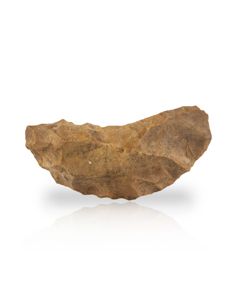 Stone Age bow scraper from Egypt
The Paleolithic tool is shaped like a sickle. Thebes has been handed down as the place of origin. From a 100 year old museum collection.
Price: on request
 Paleolithic hand axe
Small prehistoric stone tool. It was the universal tool of the older Stone age and could be used as a borer or a cutter. From a 100 year old museum collection.
Price: on request Paleolithic hand axe
Prehistoric stone tool. It was the universal tool of the older Stone age and could be used as a borer or a cutter. From a Swiss museum collection. Found in Ouarzazate, Morocco.
Price: on request Paleolithic hand axe
Small prehistoric stone tool. It was the universal tool of the older Stone age and could be used as a borer or a cutter. From a 100 year old museum collection.
Price: on request
 Stone Age bow scraper from Egypt
The Paleolithic tool is of beautiful shape and color. Thebes has been handed down as the place of origin. Including old museum display.
Price: on request
 Paleolithic hand axe
Small prehistoric stone tool. It was the universal tool of the older Stone age and could be used as a borer or a cutter. From a 100 year old museum collection.
Price: on request
 Large paleolithic hand axe
Prehistoric stone tool made of wonderfully banded stone. It was the universal tool of the older Stone age and could be used as a borer or a cutter. From a Swiss museum collection. Found in Morocco, North Africa.
Price: on request Paleolithic hand axe
Prehistoric stone tool. It was the universal tool of the older Stone age and could be used as a borer or a cutter. From a Swiss museum collection. Found in the Algerian Sahara desert.
Price: on request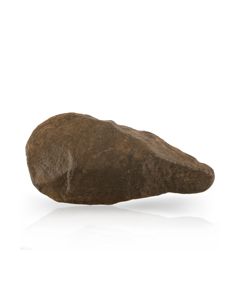 Paleolithic hand axe
Prehistoric stone tool. It was the universal tool of the older Stone age and could be used as a borer or a cutter. From a Swiss museum collection. Found in the Algerian Sahara desert.
Price: on request Paleolithic hand axe
Prehistoric stone tool. It was the universal tool of the older Stone age and could be used as a borer or a cutter. From a Swiss museum collection. Found in Erg Mehedjibat, Algeria, North Africa.
Price: on request Paleolithic hand axe
Prehistoric stone tool. It was the universal tool of the older Stone age and could be used as a borer or a cutter. From a Swiss museum collection. Found in Morocco, North Africa.
Price: on request Large Paleolithic hand axe
Prehistoric stone tool. It was the universal tool of the older Stone age and could be used as a borer or a cutter. From a Swiss museum collection. Found in Foggaret Ezzaouia, Algeria, North Africa.
Price: on request Paleolithic hand axe
Prehistoric stone tool. It was the universal tool of the older Stone age and could be used as a borer or a cutter. From a Swiss museum collection. Found in Algeria, North Africa.
Price: on request
 Paleolithic hand axe of Homo Erectus
Big hand axe from Niger. Made during the Old Stone Age, around 200,000 years ago. The universal stone age tool could be use as a borer or cutting tool.
Price: on request Paläolithische Handaxt des Homo Erectus
Altsteinzeit, um 200.000 v. Chr. Deutliche Spuren grober Werkzeugbearbeitung durch Homo Erectus. Schweres Objekt mit dunkler Patina.
Price: on request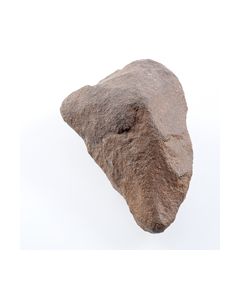 Paläolithische Handaxt des Homo Erectus
Altsteinzeit, um 200.000 v. Chr. Deutliche Spuren grober Werkzeugbearbeitung durch Homo Erectus. Schweres Objekt mit dunkler Patina.
Price: on request Paläolithische Handaxt des Homo Erectus
Altsteinzeit, um 200.000 v. Chr. Deutliche Spuren grober Werkzeugbearbeitung durch Homo Erectus. Schweres Objekt mit dunkler Patina.
Price: on request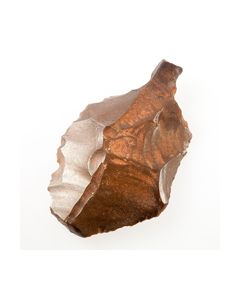 Paläolithische Pfeilspitze oder Speerspitze
35.000 bis 30.000 v. Chr., Jungpaläolithikum. Letzte Phase der Altsteinzeit, Homo sapiens. Patinierter Flintstein mit deutlichen Bearbeitungsspuren.
Price: on request Großer Faustkeil des Homo Erectus
Altsteinzeit, um 200.000 v. Chr. Deutliche Spuren grober Werkzeugbearbeitung durch Homo Erectus. Schweres Objekt mit dunkler Patina.
Price: on request Großer Faustkeil des Homo Erectus
Altsteinzeit, um 200.000 v. Chr. Deutliche Spuren grober Werkzeugbearbeitung durch Homo Erectus. Schweres Objekt mit dunkler Patina.
Price: on request Paläolithische Pfeilspitze oder Speerspitze
35.000 bis 30.000 v. Chr., Jungpaläolithikum. Letzte Phase der Altsteinzeit, Homo sapiens. Patinierter Flintstein mit deutlichen Bearbeitungsspuren.
Price: on request Paläolithische Pfeilspitze oder Speerspitze
35.000 bis 30.000 v. Chr., Jungpaläolithikum. Letzte Phase der Altsteinzeit, Homo sapiens. Patinierter Flintstein mit deutlichen Bearbeitungsspuren.
Price: on request Paläolithische Pfeilspitze oder Speerspitze
35.000 bis 30.000 v. Chr., Jungpaläolithikum. Letzte Phase der Altsteinzeit, Homo sapiens. Patinierter Flintstein mit deutlichen Bearbeitungsspuren.
Price: on request Paläolithische Pfeilspitze oder Speerspitze
35.000 bis 30.000 v. Chr., Jungpaläolithikum. Letzte Phase der Altsteinzeit, Homo sapiens. Patinierter Flintstein mit deutlichen Bearbeitungsspuren.
Price: on request Paläolithische Pfeilspitze oder Speerspitze
35.000 bis 30.000 v. Chr., Jungpaläolithikum. Letzte Phase der Altsteinzeit, Homo sapiens. Patinierter Flintstein mit deutlichen Bearbeitungsspuren.
Price: on request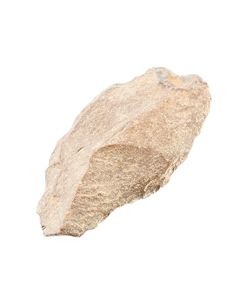 Faustkeil des Homo Erectus, Palöolithikum
Altsteinzeit, um 200.000 v. Chr. Deutliche Spuren grober Werkzeugbearbeitung durch Homo Erectus. Schweres Objekt mit dunkler Patina.
Price: on request